Driver Shaft Flex by Swing Speed: A Starting Chart That Accounts for Tempo
Use speed to choose two flexes to test, then let strike pattern, dispersion and feel decide the winner.
The buying verdict
Swing speed can narrow the shelf, but it cannot select a shaft by itself. Start with the two neighboring flexes in your speed band and buy the one that improves centered contact and left-to-right consistency without forcing your tempo.
Compare products for this decision
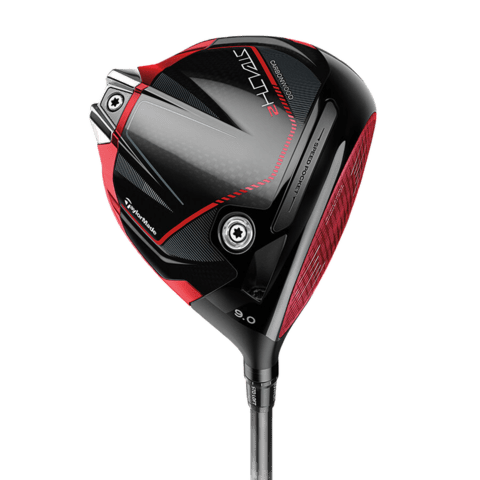
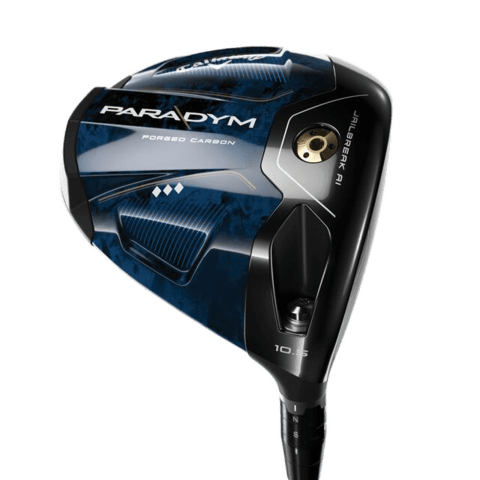
Compare the exact specifications against your needs. As an Amazon Associate, we earn from qualifying purchases.
What matters before you spend
- •Flex letters are not standardized across brands or even across different shaft families from the same brand.
- •Driver speed is a useful first filter; transition, shaft weight, bend profile, head, playing length and strike pattern can change the final fit.
- •A shaft that is too soft does not automatically hook, and one that is too stiff does not automatically slice. Delivery and timing are individual.
- •Compare complete shafts—not just R versus S—and test them in the same head, loft, length and ball whenever possible.
Choose your starting point
Match the row to your situation, then complete the verification step before buying.
| Your situation | Start here | Why | Verify before buying |
|---|---|---|---|
| Under 75 mph | Lightweight L or A flex | A lighter, more responsive build may be easier to swing and launch. | Compare total weight and strike location; do not buy by the gendered label. |
| 75–85 mph | A or softer R flex | This is a common overlap band where tempo can move the answer either way. | Test both and keep the tighter dispersion, not simply the longer best shot. |
| 85–95 mph | R, with S as the adjacent test | Many stock regular shafts are designed around this broad speed range. | An abrupt transition may favor the firmer option; a smooth load may not. |
| 95–105 mph | S, with R or X as a comparison | Stiff is the usual starting label, but profile and weight still matter. | Reject any option that improves one perfect drive but widens the normal pattern. |
| Over 105 mph | X or a firm S profile | Higher speed often needs more stability, but X is not one universal specification. | Use measured delivery, strike and dispersion; avoid buying from speed alone. |
The fastest useful answer
If you know your normal driver speed, use the chart above to pick a starting flex and one adjacent flex. If you are on a boundary, test both. If you do not know your speed, a launch-monitor session is more useful than estimating from one unusually long drive.
Major fitting guides agree on the direction—faster swings generally start firmer—but disagree on the exact cutoffs. That disagreement is evidence that the letter on the shaft is a product-specific starting point, not a universal measurement.
Why speed alone cannot finish the fit
Two golfers can reach the same top speed differently. A quick change of direction can load a shaft differently from a smooth build-up, which is why TaylorMade’s current fitting matrix separates swing profiles in addition to clubhead speed.
Weight and bend profile can be as noticeable as the flex label. A heavier shaft can improve awareness and control for one player while costing speed or comfort for another. Torque, tip behavior and playing length also alter feel and delivery, but none of those specs should be treated as a guaranteed launch or shot-shape switch.
The clubhead matters too. A shaft that performs well in one head can produce a different total weight, swing weight and delivery in another. Fit the assembled club, not an isolated specification sheet.
How to choose between two shafts in 20 useful swings
Warm up first. Then hit alternating groups with each shaft rather than finishing all swings with one before trying the other. Use the same tee height and ball model.
Ignore obvious mishits, but do not delete every poor result. Your normal misses are part of the buying decision. Compare strike location, start-line spread, left-to-right dispersion, carry consistency and whether your tempo felt natural.
Choose the shaft that makes the middle of your pattern better. A single longest drive is a bad tie-breaker. If the numbers are effectively tied, choose the option that feels easier to return to the center of the face late in the session.
For the separate iron decision, use our iron-set comparison and fitting protocol; a driver shaft result is not an iron prescription.
Buying online without a full fitting
Write down the exact shaft family, weight class, flex, adapter, playing length and grip—not just “stiff.” Confirm whether the listing is a complete assembled shaft or an uncut shaft that still needs an adapter and grip.
Choose a seller with a usable return or exchange policy. If you already own an adjustable driver, a compatible assembled shaft can be a lower-risk experiment than buying a whole new driver, but adapter compatibility and final playing length must match.
If pain, fatigue or speed loss appears during testing, stop. A different weight or length may be more relevant than moving one flex label.
Buying a complete driver? Compare the regular-flex Quantum Max and Qi4D Max stock builds before paying for a new head as well as a shaft.
If club length is also uncertain, read how height and wrist-to-floor measurements inform fitting before choosing a stock build.
Pros and cons of the three buying paths
Stock shaft: easiest and usually best value. The trade-off is fewer weight and profile choices, and the printed flex may not compare cleanly with another model.
Aftermarket assembled shaft: useful when you already like the driver head and know the exact build. The trade-off is paying for a component that may not improve the complete club.
Professional fitting: best when you are between bands, have an unusual transition, fight a wide two-way miss or are making an expensive purchase. The trade-off is the fitting cost and the need to separate useful data from an upsell.
Before-you-buy checklist
- 1Measure your normal driver speed after warming up; record a range, not only the maximum.
- 2Shortlist a starting flex and one adjacent flex in the same shaft family.
- 3Keep head, loft, ball, tee height and playing length constant during the comparison.
- 4Compare centered strike rate, dispersion and carry consistency before peak distance.
- 5Confirm exact weight, adapter, final length, grip and return policy on the order.
- 6Save the launch-monitor report or written build spec for future replacements.
Questions that usually come next
Should I play regular or stiff flex at 95 mph?
Treat 95 mph as an overlap, not a verdict. Test R and S in the same shaft family. A quicker transition may prefer S; a smoother load may prefer R. Keep the option with the better strike and dispersion pattern.
Will a stiffer shaft fix my slice?
Not reliably. A slice can come from face angle, swing path, heel strike or setup. Shaft feel may change delivery for an individual golfer, but flex is not a universal anti-slice setting.
Does a softer shaft always launch higher?
No. Published bend profile, weight and torque can suggest tendencies, but your delivered loft and strike decide the actual flight. Test the assembled club.
Is shaft weight more important than flex?
They solve different parts of the fit and interact. Weight can change speed, balance and awareness; flex and profile change how the shaft loads and feels. Compare complete builds rather than ranking one spec universally above the other.
Can I use carry distance to estimate shaft flex?
Only as a rough fallback. Strike, launch, spin, altitude and ground conditions can make equal swing speeds travel very different distances. Measured clubhead speed is a better starting input.
What if two flexes produce nearly identical numbers?
Choose the one that feels easier to repeat, especially late in the session, and check the return policy. A tied test does not justify paying a premium for a more exotic label.
Sources and fact-check notes
We favor manufacturer fitting material for product-specific claims and use independent guides to identify buyer questions. Sources were checked on September 28, 2026.
- TaylorMade 2026 custom shaft options and fitting matrix
Primary source for speed bands, swing-profile differences and model-specific shaft fitting.
- Callaway driver buying guide
Primary source for flex, weight and driver-fit variables.
- Callaway custom fitting overview
Primary source describing head, loft, flex, shaft and weight as parts of the complete fit.
- MyGolfSpy driver shaft flex chart
Independent comparison used to benchmark the buyer questions covered by ranking guides.